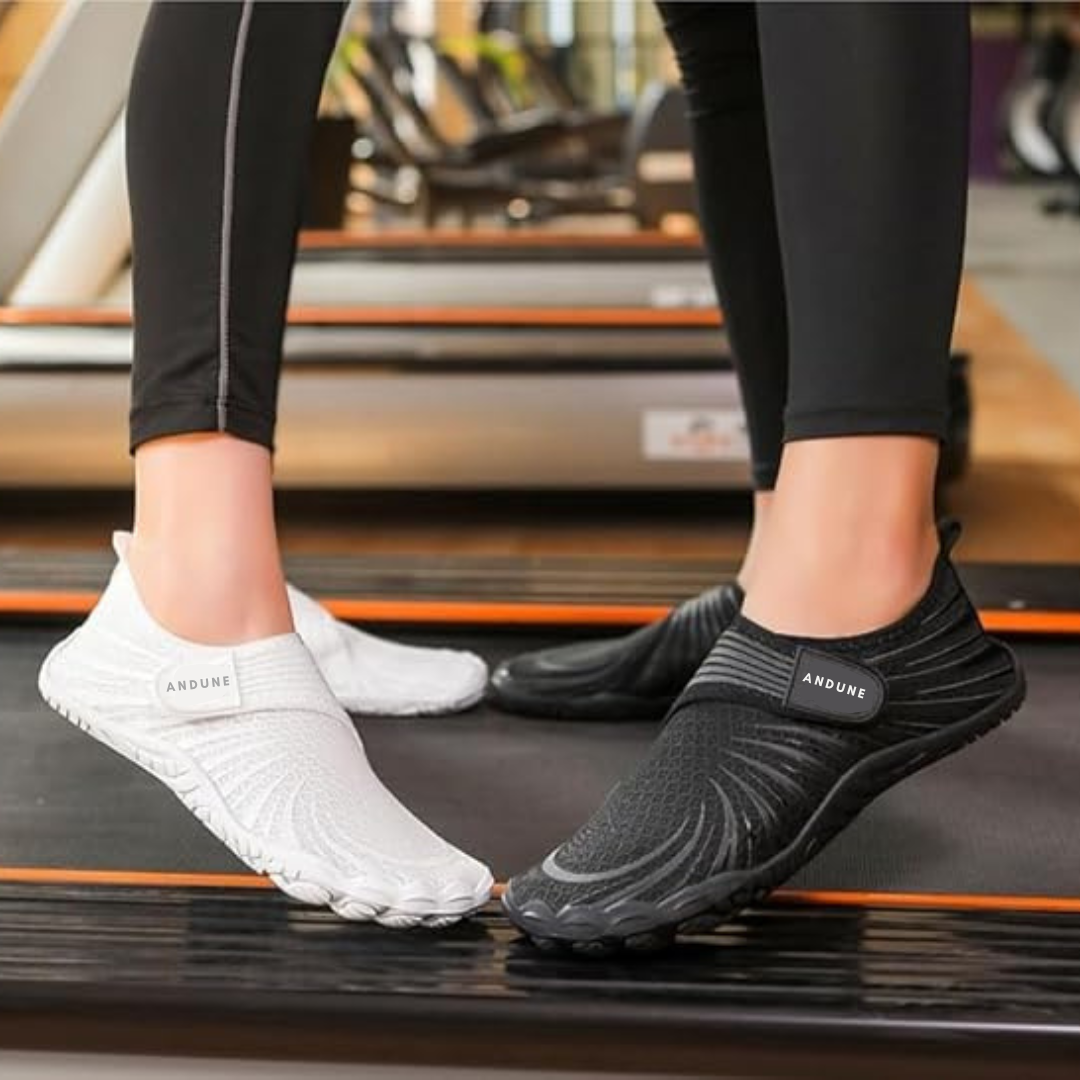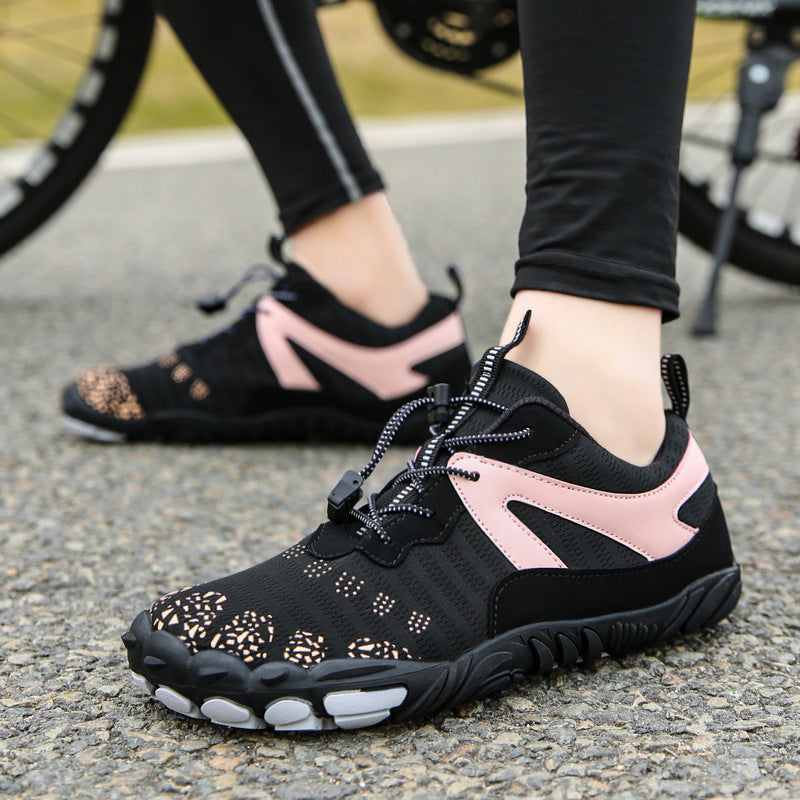

Take off your shoes. Sit down. Pull out the paper insole from your favorite dress shoes or running sneakers and place your foot directly over it.
Chances are, your toes spill over the edges. Your pinky toe is probably crushed inward.
For decades, big shoe brands designed footwear entirely backward. They took human feet, which are naturally wide at the front and flat on the ground and crammed them into narrow, pointed toe boxes with thick foam heels. They told us we needed "cushioning" and "arch support."
Look, putting your feet in thick, rigid shoes all day is like keeping your arm in a plaster cast. The 29 muscles and 33 joints in your feet stay dormant. Over time, those muscles weaken. Your arches collapse. Your ankles get stiff, and your lower back starts aching by 4 PM.
That’s why so many men are tossing out their clunky sneakers for barefoot shoes mens designs. It isn't a quick fashion trend, it's about fixing your posture from the ground up.
What Actually Makes a Shoe "Barefoot"?
Shopping for barefoot men shoes gets confusing fast. Plenty of mainstream brands label their lightweight sneakers as "minimalist" even when they still pack elevated heels or stiff plastic arch supports.
If you want a pair that lets your body work naturally, check for these four non-negotiables:
1. A Foot-Shaped Toe Box
Your toes shouldn't be squeezed into a point. Real minimalist shoes widen at the front so your toes can spread out wide, what podiatrists call "splay." That wider footprint gives you an instant, rock-solid base whether you're carrying groceries, squatting in the gym, or standing at a desk.
2. Zero Heel Elevation (Zero-Drop)
"Zero-drop" means the sole is completely flat. Standard sneakers lift your heel 8 to 12 millimeters higher than your forefoot. That constant incline tilts your pelvis forward and strains your lower back. A flat sole aligns your hips and spine instantly.
3. Real Ground Perception
Try twisting the shoe in your hands. A good minimalist shoe flexes easily in every direction. Thin, pliable soles wake up thousands of sensory nerve endings on the bottom of your feet. That real-time feedback lets your brain adjust your footing on the fly.
4. No Extra Weight
Heavy soles and thick synthetic overlays add Bulk. Minimalist shoes use breathable, flexible uppers that move naturally with your foot without trapping heat.
Choosing Your Footwear for the Day
Consider where you'll spend most of your time before you buy a pair: For Office Work & Casual Days: Opt for low profile designs in neutral knits or subdued colors. They look natural with jeans or chinos without looking like weird gym gear.
-
For Heavy Lifting & Gym Sessions: Go for flat, un-cushioned soles. Zero foam compression means better power transfer when you deadlift or squat.
-
For Trails & Outdoor Hikes: Look for flexible outsoles with deeper rubber treads that grip dirt and loose gravel without adding heavy, stiff weight.
Real-World Durability: The Andune Factor
Here’s the main problem men run into with minimalist footwear: durability.
A lot of imported global brands charge high prices for shoes designed only for smooth, indoor gym floors. Take them out on rough concrete pavements, gravel paths, or Indian city roads, and the thin soles shred in a few months.
That’s where Andune comes in.
Andune designs barefoot shoes mens options built specifically for tough, real-world conditions. Their Ultra Light series uses breathable knit uppers and zero-drop bases ideal for daily work commutes and gym sessions. For outdoor use, their All Terrain models feature high-traction, flexible outsoles that handle rough trails just as well as heavy hiking boots, minus the clunky weight.
Because they design locally, Andune delivers real foot health features, wide toe boxes, zero-drop profiles, and ultra-flexible soles at a far fairer price point than imported alternatives.
How to Transition Without Sore Calves
If you've worn cushioned sneakers for twenty years, you can't switch overnight without feeling it. Your foot muscles need a few weeks to wake up.
-
Start Small (Weeks 1–2): Wear your new shoes for 20 to 30 minutes a day. Walk around the house or run a quick errand.
-
Build Up (Weeks 3–4): Use them for full gym workouts or longer walks each day: When you do the lifts you'll notice your toes gripping the floor more naturally.
-
Full Wear (Month 2 Onward): Once your calves and arches adapt, make them your everyday go-to shoes.
The Bottom Line
Switching to natural footwear is about giving your body back its natural design. When you drop the pointed toe boxes and thick foam heels, you stop fighting your own posture. Give your toes room to spread out and let your feet do what they were born to do.
FAQs
1. Are barefoot men shoes good for standing on hard floors all day?
Yes, but give yourself time to adapt. Thick foam feels soft at first, but it lets your foot muscles stay lazy. Switching to barefoot men shoes forces your foot muscles to activate, building natural arch strength that reduces back fatigue over time.
2. Can I wear barefoot shoes mens styles if I have flat feet?
Definitely. Flat feet usually happen because artificial arch supports act like a crutch. Zero-drop shoes with wide toe boxes encourage your intrinsic foot muscles to wake up and build arch strength naturally.
3. What makes Andune barefoot shoes durable enough for rough roads?
Unlike delicate imported brands built for smooth studio floors, Andune uses tough, flexible rubber outsoles. They give you a solid grip on gravel, dirt, and rough pavement without wearing down fast.
4. How do I know if I have the right size in minimalist shoes?
Your toes shouldn't touch the front edge. You want roughly a thumb's width of space in front of your toes so they can spread out fully without feeling cramped.